
Lilac is one of those colours that looks effortless on a magazine page and slightly terrifying in real life. Put the wrong shade in the wrong place and you can end up looking tired, grey or as though you have not slept. Get it right, though, and lilac does something no peachy bronze quite manages: it lifts the whole face and makes the whites of your eyes look clearer. The good news is that the rules are simpler than they seem. Once you know your undertone and pick the right finish, purple tones become some of the most flattering makeup in your bag.
Start With Undertone and Depth, Not the Word "Lilac"
"Lilac" covers a huge family of shades, and they behave very differently on the skin. At one end you have pink-leaning orchid and fuchsia-lilac; at the other, silvery wisteria, dusty mauve and blue-violet. Two things decide which ones suit you: your undertone and how deep your skin is.
As a general rule, the deeper your skin, the more depth and saturation you want. Very pale, chalky pastels tend to sit on top of deeper skin and read ashy rather than soft. The fairer and cooler your skin, the more you want your lilac to lean pink or silver; grey-brown mauves are the shades most likely to make fair skin look washed out or even a bit unwell. Warm and golden undertones, including many olive and South Asian complexions, usually suit lilacs with a pink or red base far more than dusty blue-purples, because the warmth in the shade keeps the skin looking alive.
Test any lilac on your face, not your wrist, and always in daylight near a window. Shop lighting flatters almost everything, and lilac is one of the worst offenders for looking lovely in the shop and odd at home.
Lilac Eyeshadow: Match the Finish to Your Skin
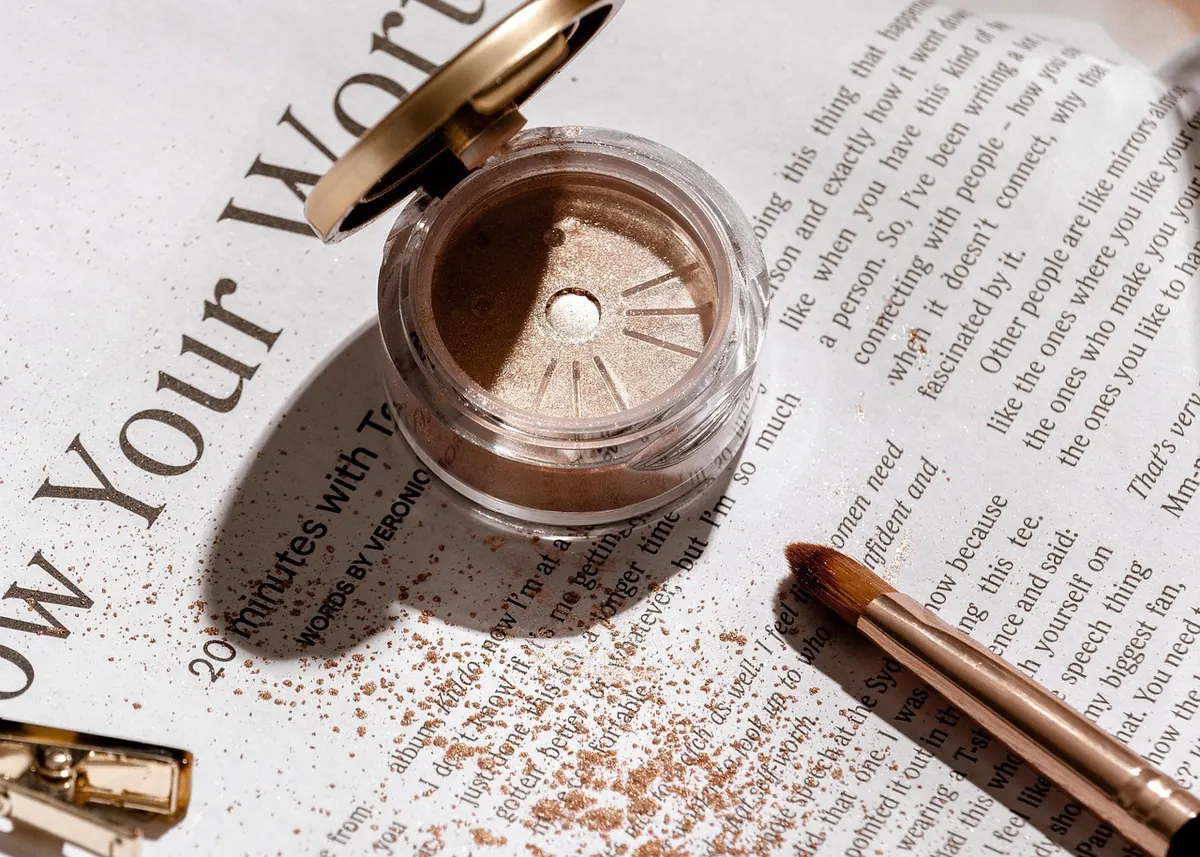
Texture matters as much as shade here. Matte pastels can look flat and dusty; satin and soft shimmer reflect light back into the face, which is what makes lilac look fresh rather than drained. Always prime the lid first, even if you only use concealer, so the colour has something to grip.
Fair and light skin
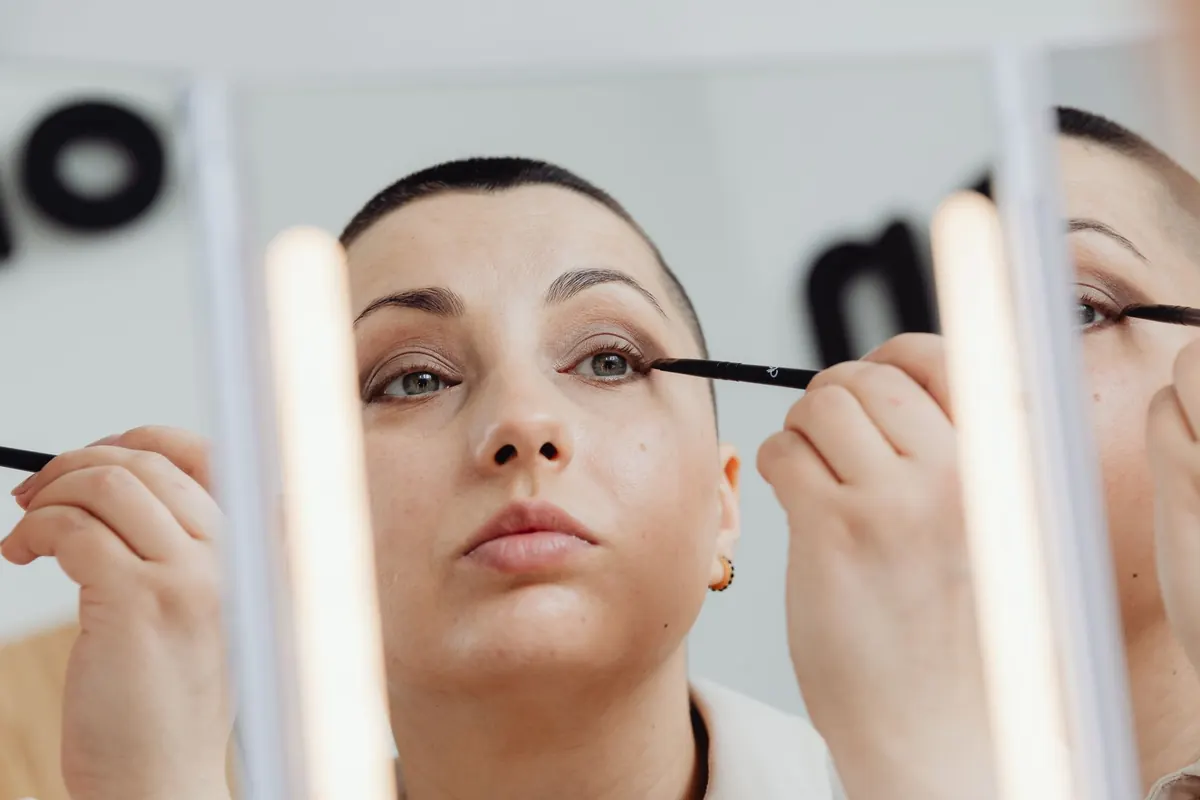
Choose soft pink-lilacs and silvery lavenders. Tap the colour across the lid with a flat brush and stop below the crease; dragging shimmer up towards the brow bone is what makes fair skin look puffy. Keep the deepest shade, a plum or violet pencil, right against the lash line.
Medium, olive and golden skin
Skip the palest shades and go a step or two deeper: orchid, amethyst, warm violet. If a lilac looks grey on you, blend a small amount of bronze or peach through the crease to put warmth back in. Cream shadows are especially good on olive skin, which can make powder look powdery.
Deep and rich skin
Look for rich, saturated violets and metallic lilacs rather than pastel chalks. Try bright lilac as a pop of colour in the inner corner or along the lower lash line, with a deep plum blended through the crease. Shimmer and pearl finishes show up beautifully here; matte pastels often do not.
Lilac Blush: Small Amounts, Big Effect
Lilac blush is the quiet hero of this routine. On medium and deeper skin with warm or golden undertones, a lavender-pink blush behaves almost like a colour corrector, lifting sallowness and cooling redness at the same time. On fair skin it can be trickier, so keep it sheer and layer it over a pink cream blush rather than wearing it alone.
Place it slightly higher than you might be used to, sweeping up along the cheekbone towards the temple instead of down towards the jaw. A cream or liquid formula blended with fingertips is more forgiving than powder, particularly on dry or mature skin. If you have redness around the nose, leave that area clear and let the lilac sit out on the cheekbone.
Lilac Lips Without the Grey Cast
The classic mistake with purple lipstick is choosing a grey-based lilac, which can dull the skin and make teeth look yellow. Look for lilacs with a pink or berry base, or wear lilac as a gloss over something warmer.
If your lips are naturally pigmented, a sheer lilac will barely show. Instead, line and fill with a rose or mauve lip liner, apply a berry or plum lipstick, then press a lilac gloss or pearl on top. You get the purple effect without the flat, grey finish. Blotting once with a tissue and reapplying gives a softer, more lived-in look that suits daytime better than a full gloss.
A Five-Minute Lilac Look You Can Do Today
- Keep the base light. Lilac looks best against fresh skin, so use concealer only where you need it.
- Prime the lids, then press a satin lilac across the lid with a flat brush, stopping below the crease.
- Blend a matte mauve or taupe through the crease in small circles with a fluffy brush.
- Line close to the upper lashes with a plum or violet pencil and smudge it slightly with a fingertip.
- Apply two coats of mascara. This is what stops purple tones looking sleepy.
- Sweep a sheer lilac-pink blush along the cheekbones, then a little highlighter on top.
- Finish with a pink liner and a lilac gloss, or a mauve lipstick with lilac pearl pressed over it.
What to Look For When You Shop
- Finish: satin, pearl and soft shimmer over chunky glitter, which drops under the eyes.
- Base: pink-leaning lilacs over grey-mauves, unless you know grey suits you.
- Format: cream shadow sticks and liquid blushes are easier for beginners to blend than powders.
- Depth: test mid-tone and deep lilacs as well as the pale ones; many people suit these better.
- Single shades: a lone lilac eyeshadow or blush is a cheap way to find out whether the colour works before buying a palette.
If you have sensitive eyes or wear contact lenses, keep glitter and loose pigment away from the lash line, and stop using anything that causes irritation. Persistent redness, itching or swelling needs a pharmacist or GP rather than another layer of makeup.
Keep It Simple and Build From There
Wear one lilac feature at a time to begin with. A lilac lid with neutral cheeks and a rose lip, or a plain eye with lilac blush and a berry mouth, is far easier to carry off than lilac everywhere at once. Once you are comfortable, add a violet liner or a lilac inner-corner highlight and see how it feels.
Give each shade a full day's wear before you decide. Lilac changes character in different light, and a colour that seems bold at 7am often looks perfectly normal by lunchtime. Take a photo in daylight if you are unsure. Most importantly, do not be talked out of a shade you love because it is "difficult". Purple flatters far more people than the beauty aisles suggest, and the trick is simply finding the version that belongs to your skin.
Photo: AdoreBeautyNZ / Pixabay